


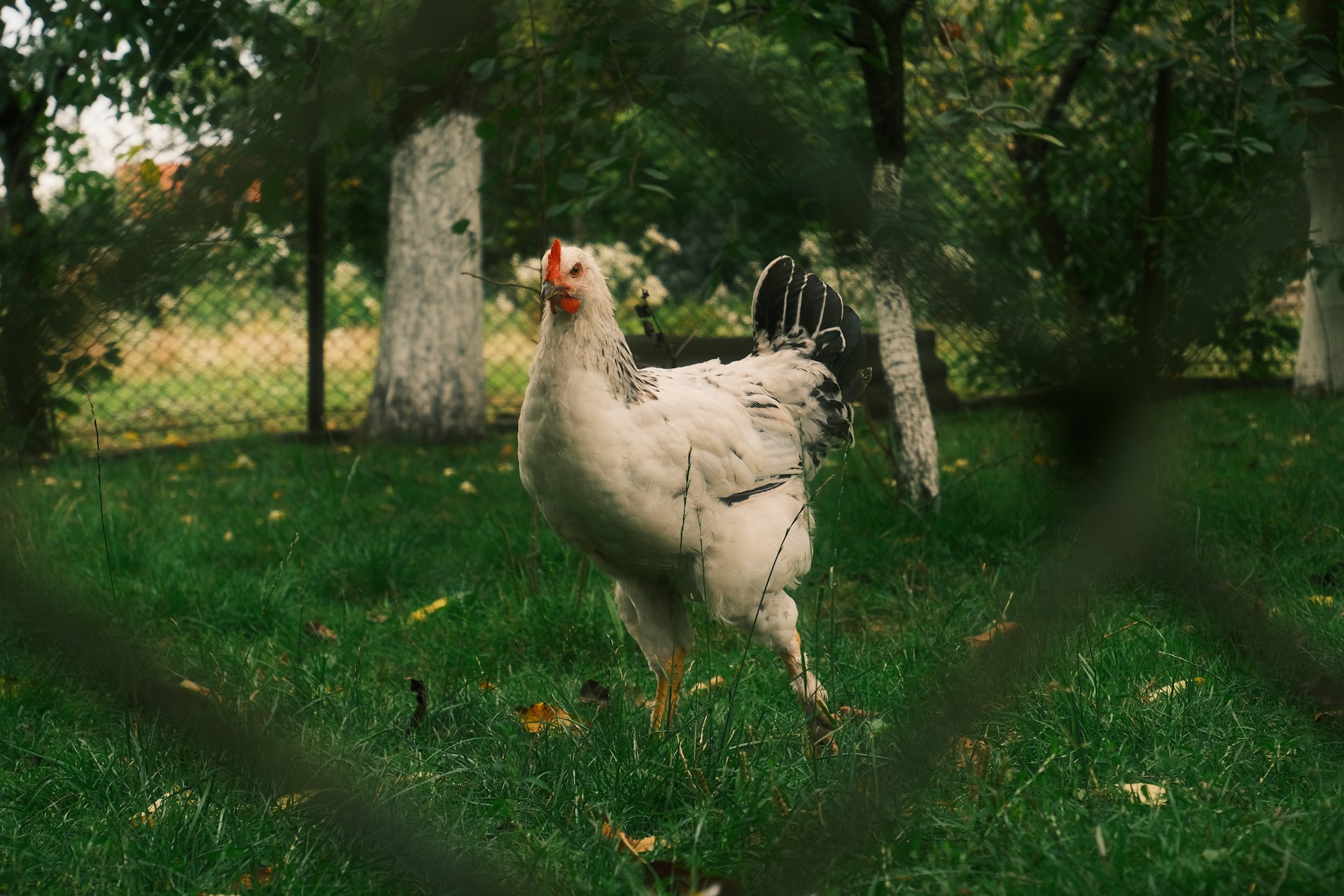
Create a Safe, Happy Haven for Pets and People
Designing a pet-friendly garden starts with balance. We want a space that feels calm and tidy, where pets can roam without wrecking the lawn, and where a chicken coop looks like part of the design rather than an afterthought. When it works well, the garden becomes somewhere you are proud to show off, and somewhere that quietly adds value to your New Jersey home.
At Amish Mike, we specialize in Amish-built outdoor structures that do exactly that. Our sheds, barns, garages, pet shelters and chicken coops are designed to be practical, attractive and long-lasting, so your garden can work hard without looking cluttered. Solid timber construction and thoughtful layouts help keep animals comfortable, and make day-to-day care easier for you.
More homeowners are choosing to turn their gardens into multipurpose spaces, where dogs can play safely, cats can find sunny corners, and chickens can be kept responsibly for eggs and company. The right layout means you can relax outside, entertain friends, and still give each animal what it needs. In this article, we will share practical design tips, show you how to choose the right Amish chicken coop, and explain how to integrate it with other garden features and pet shelters for a space that truly works for everyone.
Planning a Pet-Friendly Backyard Layout
A successful pet-friendly garden starts on paper. Before you buy anything, sketch a simple plan and divide it into zones. You might have a dog play area, a quieter space where cats can sunbathe, a productive corner for chickens, and a comfortable zone for human seating and entertaining. Giving each zone a clear purpose helps avoid muddy chaos and keeps your garden looking intentional.
Safety and comfort come next. All animals need reliable shade, good drainage and secure boundaries. Check your fencing for gaps and weak spots, and make sure gates close firmly. Choose non-toxic plants where pets spend most of their time, and think about how you will provide fresh water, for example, a sturdy bowl near the coop, a tap close to the dog run, or a small water feature that is safe for animals.
Positioning your chicken coop well makes a big difference. You will want:
- Easy access for cleaning and feeding, ideally without crossing the whole garden
- A spot that gets morning sun but has some protection from strong afternoon heat
- Shelter from cold prevailing winds, perhaps with a fence, hedge or shed behind it
- Enough distance from seating areas so the coop does not dominate the view
Other structures help keep everything organized. Sheds can hold feed, bedding and tools so they are not stored in the house. Gazebos and pergolas create comfortable human spaces away from animal mess. Purpose-built pet shelters from Amish Mike, such as kennels or runs, allow you to clearly separate storage, animal housing and leisure areas so the garden feels tidy and well planned.
Choosing the Right Amish Chicken Coop for Your Garden
An Amish-built chicken coop brings solid timber construction, thoughtful detailing and serious durability to your garden. Good ventilation, secure doors and sturdy framing all help keep chickens comfortable in changing weather, and make the coop feel like a permanent part of your outdoor space rather than a temporary pen.
When choosing a coop, start with your flock size. Chickens need enough indoor floor space and an attached run where they can scratch and stretch. Think about:
- How many birds you plan to keep now, and whether you might add more later
- The number of nesting boxes, ideally at least one box for every few hens
- The length and arrangement of roosting bars so all birds can perch at night
- Access doors and removable parts that make cleaning and egg collection simple
New Jersey gardens experience varied weather, so insulation, ventilation and roof design matter. In hot summers, chickens need airflow and shade to reduce heat stress. In colder months, they benefit from a draft-free interior with sensible ventilation to let moisture escape. We can guide you towards designs that balance these needs and suit your specific site.
You will also want to choose between a stationary coop and a mobile unit. Stationary coops work well if you have a fixed corner available and want a more substantial structure that can be matched with nearby sheds or garages. Mobile coops are helpful in smaller gardens, as you can move the run to fresh grass and reduce muddy patches. Whatever you choose, think about the overall look, matching stains, trims and roof colours with existing sheds, garages or other pet shelters so everything feels cohesive.
Keeping Chickens Comfortable, Clean and Secure
Once your coop is in place, daily and weekly routines keep chickens healthy and the garden pleasant. Each day, you will top up feed and water, check that all birds look bright and active, and collect eggs. A quick spot-clean of droppings in obvious places helps to control odours. Every so often, a deeper clean with fresh bedding and a sweep out of dust, feathers and old feed keeps pests at bay.
Predator-proofing matters in both suburban and rural parts of New Jersey. Foxes, raccoons and neighbourhood dogs can all pose a threat. Strong latches, snug-fitting doors and sturdy wire on windows and runs are essential. Many keepers also like a slightly elevated coop, which discourages damp and makes it harder for predators to dig their way in. Where possible, bury wire mesh around the run perimeter to deter digging visitors.
Bedding choices affect comfort and cleanliness. Many people use wood shavings or straw, topped up regularly so birds have a dry, soft surface underfoot. Good ventilation is key, allowing fresh air in without creating cold draughts at roosting height. Shade, either from nearby trees or from the coop roof design, helps in sunny weather, while solid construction protects birds from cold winds during winter.
Noise and neighbours are worth thinking through. Hens are generally quieter than cockerels, so in built-up areas, many homeowners choose to keep only hens. Placing the coop away from bedroom windows and shared boundaries, and keeping routines consistent, helps everyone live peacefully side by side.
Designing for Other Pets Around Your Chicken Coop
If you share your garden with dogs or cats, a little planning will keep chickens relaxed and other pets safe. Start by introducing animals at a distance, so dogs and cats can see and smell the chickens without getting too close. Clear boundaries help: a secure fence around the run, and rules about which parts of the garden each pet can access.
Screening is helpful if you have pets that get very excited by movement. Solid panels or planting along part of the run can give chickens a sense of security while still allowing some visual contact. For households with energetic dogs, separate pet shelters or kennels from Amish Mike can offer a dedicated space away from the coop, where the dog can rest or sleep without watching the flock constantly.
Ground surfaces also matter. Paths of gravel, pavers or compacted stone make it easier to wheel barrows and feed buckets to the coop in all weather, and they help keep mud under control. Mix these harder surfaces with grass or softer areas where pets can play comfortably and lie down. Think about how you move through the garden too, so you are not constantly crossing chicken or dog spaces to reach seating areas.
Adding Style, Comfort and Convenience to Your Garden
A pet-friendly backyard does not need to look like a farmyard. Matching stains and trims on sheds, coops and other pet shelters give a coordinated look that ties the whole design together. Repeating details, such as roof colour or door style, makes the space feel planned and attractive, rather than a collection of random structures.
Practical add-ons can make everyday life easier. A storage shed close to the coop is ideal for bags of feed, bedding and tools, while another shed might hold lawn equipment so everything is not piled into one place. A small seating area near, but not too close to, the chicken run lets families relax and enjoy watching the birds dust-bathe and forage.
Planting around the coop softens its edges and helps it blend into the garden. Consider:
- Hardy shrubs that provide structure without needing constant attention
- Pollinator-friendly flowers around the outer fence line
- A corner of dry soil or sand as a dedicated dust-bath area
- Low-maintenance groundcover plants in spots where you do not walk often
Quality Amish-built structures give your garden a solid backbone. When coops, sheds and pet shelters are well designed and carefully placed, they can increase kerb appeal and support the long-term value of your property, while making day-to-day pet care calmer and more enjoyable for the whole household.
Give Your Pets The Safe Outdoor Space They Deserve
If you are ready to create a secure and comfortable haven for your animals, explore our handcrafted pet shelters designed for lasting protection in every season. At Amish Mike, we work with you to match the right size, layout and options to your pets’ needs and your garden space. Speak with our team today to discuss custom features, pricing and delivery, or simply send us your details through contact us and we will help you get started.